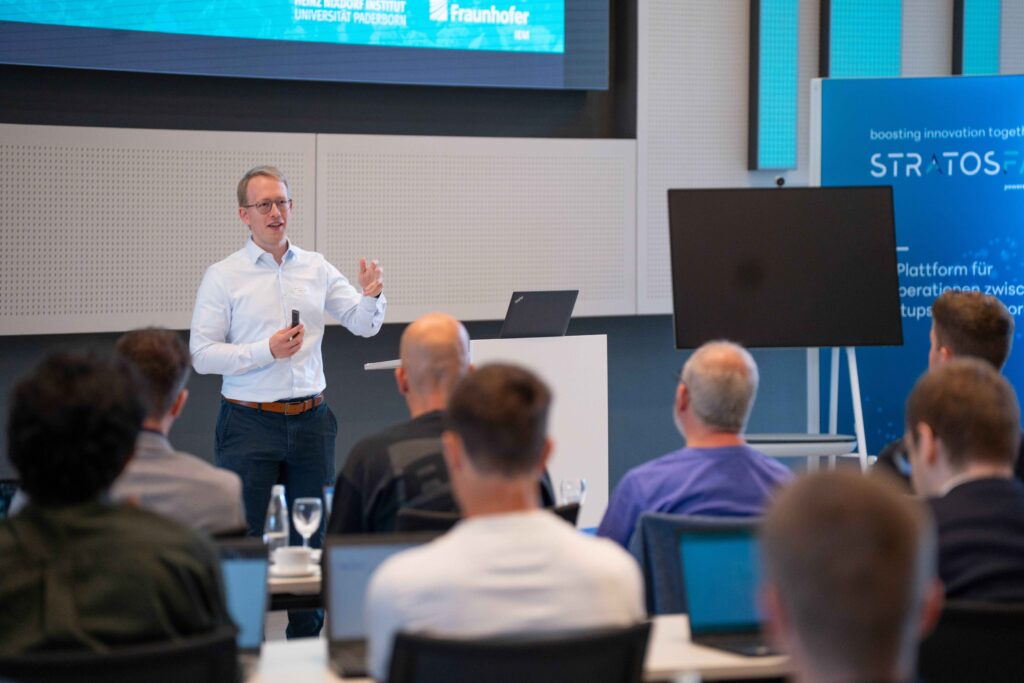
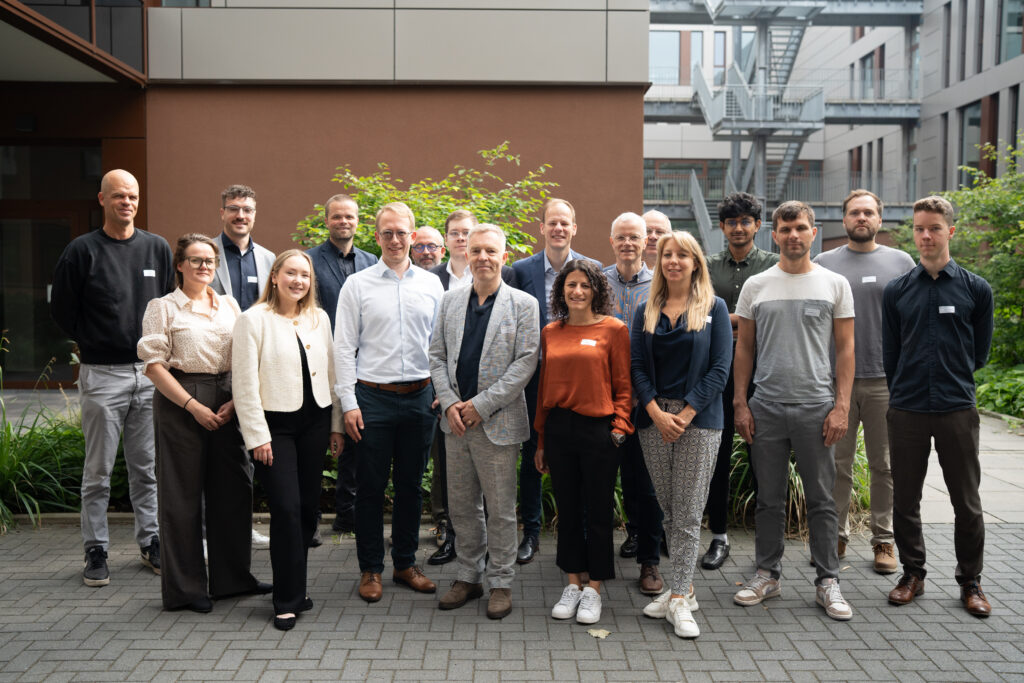
The new European project AIMPERES has officially launched, bringing together ten partners from six countries to help shipowners reduce fuel consumption and emissions from vessels already in operation.
Most ships sailing today will still be part of the global fleet for years to come. That makes practical solutions for existing vessels essential if shipping is to cut emissions in the near term. AIMPERES, short for AI-driven Modular Platform for Emission-Reduction & Efficient Shipping, will address this challenge by developing an AI-powered energy management system designed for rapid and cost-effective deployment across different vessel types.
The project is coordinated by Fraunhofer IEM and supported by €4.17 million in funding from Horizon Europe. Over the next three years, the AIMPERES consortium will develop, test and demonstrate a modular solution that can turn vessel data into actionable recommendations for crews, operators and shipowners.
A practical approach to maritime decarbonisation
At the core of AIMPERES is a modular Energy Management System that combines real-time emissions monitoring, artificial intelligence, hybrid digital twins and decision-support tools for crews. The system is designed to integrate with existing onboard systems, making it suitable for retrofitting rather than only for newbuild vessels.
“Decarbonising shipping requires solutions that can be deployed across the existing fleet, not only on the vessels of tomorrow,” says Tobias Seidenberg, coordinator of the project at Fraunhofer IEM. “AIMPERES combines emissions monitoring, artificial intelligence and decision support into a practical solution that can help shipowners reduce fuel consumption and emissions while improving operational performance.”
By combining low-cost exhaust monitoring, advanced vessel models and AI-based optimisation, AIMPERES will help translate operational data into concrete guidance. The goal is to support better decision-making both onboard and onshore, leading to measurable improvements in fuel efficiency and environmental performance.
Testing across inland, coastal and deep-sea vessels
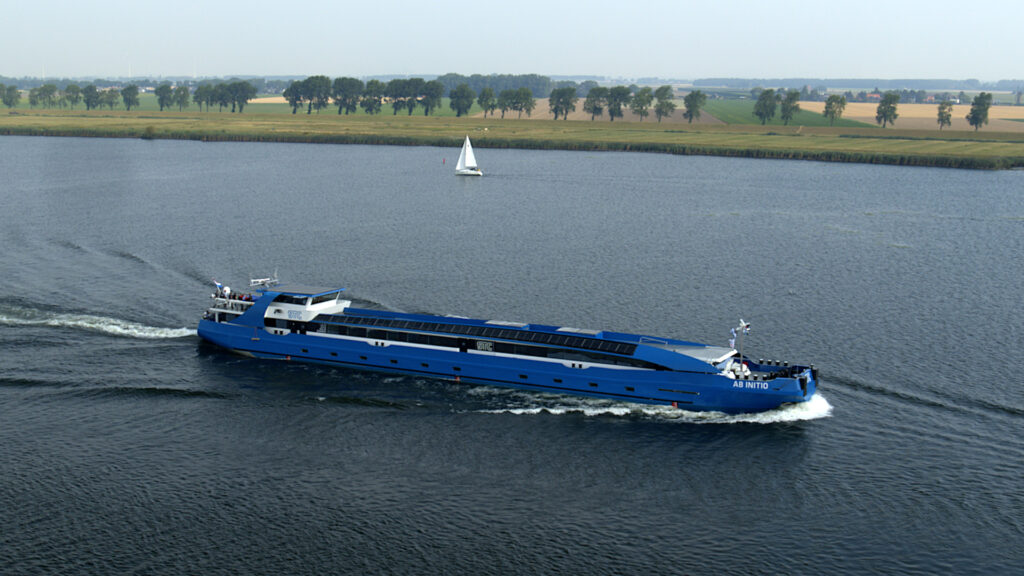
AIMPERES will validate the technology on inland, coastal and deep-sea vessels. This broad demonstration scope is intended to show how AI-driven energy management can be applied across different operating profiles and vessel segments.
The project targets at least five per cent fuel savings and emission reductions across CO2, NOₓ, SOₓ and particulate matter. By focusing on operational improvements and retrofittable technology, AIMPERES aims to deliver benefits without requiring major vessel modifications.
For shipowners and operators, this means the project will explore how smarter use of data can support everyday operational decisions, improve compliance with environmental requirements and contribute to the wider decarbonisation of shipping.
“The existing fleet has to deliver if we are to meet climate targets. This partnership puts AI to work to help shipowners make better decisions every day and turn that into measurable emission reductions, and we are pleased to address this together with the strong partnership and the EU,” says interim CEO Håvard Tvedte in Maritime CleanTech.
A first step for the AIMPERES project
This launch story marks the beginning of the project’s public communication. The website will be used to share updates from the consortium, project milestones, demonstration activities and results as AIMPERES moves from development to real-world validation.
The consortium consists of Fraunhofer IEM (Germany), University of Antwerp (Belgium), Antwerp Maritime Academy (Belgium), École Centrale de Nantes (France), STC Group (Netherlands), Navalprogetti Srl (Italy), Nestra BV (Netherlands), NAVTOR (Norway), Transtal Shipping BV (Netherlands) and Maritime CleanTech (Norway).